

What is Shito?
What Exactly Is Shito?
The word “Shito” originates from the Ga language of Ghana and simply means “pepper.” Despite the simple name, the sauce itself delivers a remarkably layered flavour experience.
Traditional Shito is typically made by slowly cooking a mixture of:
- Hot chili peppers
- Oil
- Onion, ginger, and garlic, black pepper, cloves
- Dried seafood such as shrimp and fish
- Salt and selected spices
The slow cooking process is essential. Over several hours, the ingredients develop into a dark, glossy sauce with concentrated flavour and a rich aroma. The result is a condiment that combines fiery heat with savoury umami notes and subtle sweetness from caramelised aromatics.
Recipes can vary from region to region and even from family to family, giving every version its own personality.
Common Types of Ghanaian Shito
Traditional Black Shito
This is the best-known version, usually prepared with dried fish, and shrimp It has a deep smoky flavour and a rich oily texture.
Green Pepper Shito
Made with green chilies and fresh herbs, this version offers a fresher and brighter taste compared to the darker traditional style.
Seafood-Rich Variations
Some producers create Shito with extra shrimp or fish content for a stronger umami flavor and more pronounced aroma.
Vegan and Vegetarian Shito
Modern recipes sometimes replace seafood with mushrooms or plant-based ingredients while maintaining the sauce’s signature savoury depth.

The Craft Behind Authentic Shito
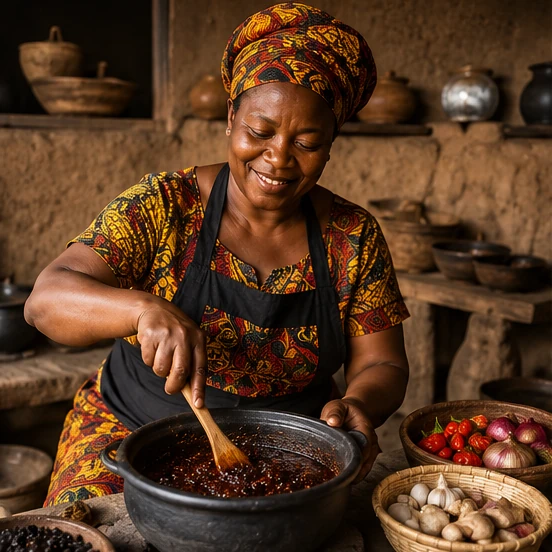
Making authentic Shito requires patience and attention to detail. The preparation process is often slow and deliberate, allowing every ingredient to fully release its flavour.
Traditionally, peppers are blended with onions, ginger, and garlic before being simmered in oil for an extended period. Dried seafood is added gradually, and the sauce continues cooking until it reaches its signature dark appearance and concentrated consistency.
Homemade Shito recipes are treasured in many Ghanaian families and are often passed down through generations. Every cook may adjust the spice level, texture, or ingredient balance slightly, creating distinctive family-style variations.
Commercially produced Shito aims to deliver consistency in flavour, texture, and shelf stability while still preserving authentic Ghanaian taste.
Flavour Profile
What Makes Shito Special?
Heat
The peppers provide a warming spice that can range from mild to extremely hot depending on the recipe.
Umami Depth
Dried shrimp and fish contribute a rich savoury character that gives Shito its addictive quality.
Sweetness and Aroma
Slow-cooked onions and garlic add subtle sweetness while ginger and spices create a fragrant finish.
Texture
Most Shito varieties are oily and slightly chunky, with visible flakes of seafood and pepper throughout the sauce.
The balance of spice, savoriness, and aroma is what gives Shito its unique identity and lasting appeal.
The balance of spice, savouriness, and aroma is what gives Shito its unique identity and lasting appeal.
Some Popular Ways to Enjoy Shito
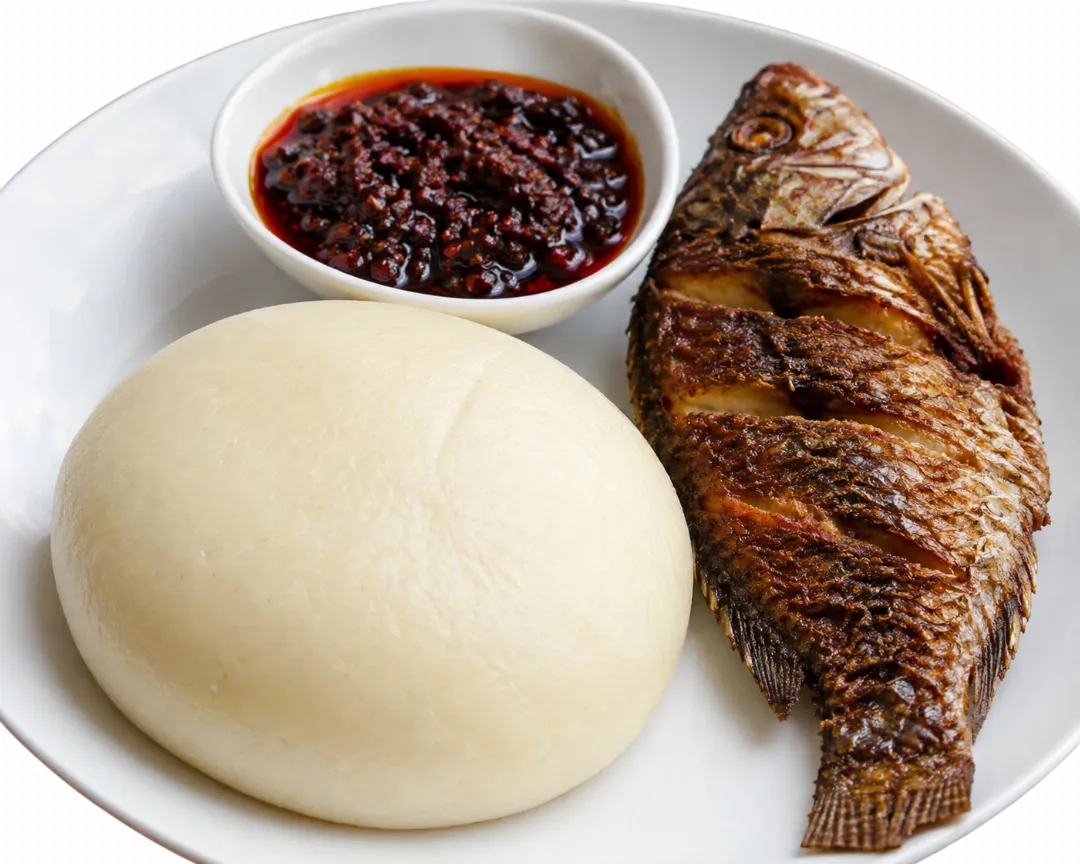
With Traditional Ghanaian Meals
Shito is commonly served alongside dishes such as:
- Waakye
- Kenkey
- Banku
- Rice dishes
- Gari Eba
- Fried fish
- Jollof Rice
- Cooked sweet potatoes
- Cooked cassava
- Cooked cocoyam

As a Dip
It pairs exceptionally well with:
- Fried plantain
- Fried yam
- Grilled meat
- Crispy snacks
- Fried cassava
- Fried cocoyam
- Fried sweet potatoes
- Cream crackers
- Shito on toast
In Cooking
Many people stir Shito into jollof rice, soups, stews, marinades, or sauces to instantly boost flavor.
With Simple Everyday Foods
Even plain rice, boiled yam, bread, or eggs can become far more flavourful with a spoonful of Shito.
Choosing a Quality Shito
With growing global demand for African food products, there are now many Shito options available online and in stores. Choosing the right one often depends on personal taste preferences.
Here are some important things to consider when selecting Shito:
Spice Level
Some varieties are intensely hot, while others are milder and more balanced.
Ingredients
Check whether the sauce contains fish, shrimp, or plant-based ingredients depending on your dietary preferences.
Texture Preference
Some people prefer smooth Shito, while others enjoy chunkier styles with visible seafood pieces.
Authenticity
Traditional preparation methods and authentic Ghanaian ingredients often produce the richest flavour.
Packaging and Hygiene
Well-sealed containers, proper labelling, and reliable production standards are important indicators of quality.
Shito’s Cultural Importance
Shito is deeply connected to Ghanaian identity and food culture. It represents comfort, tradition, and shared meals with family and friends. For many Ghanaians living abroad, the taste and aroma of Shito instantly brings back memories of home.
As African cuisine continues gaining international attention, Shito has become one of Ghana’s most recognised culinary exports. Its growing popularity reflects a wider appreciation for authentic African flavours across the world.
Why Shito Continues to Grow in Popularity
The appeal of Shito goes beyond its heat. Its versatility, depth of flavour, and ability to transform simple meals into memorable dishes have helped it gain loyal fans globally.
Modern consumers are also increasingly interested in bold international flavours, making Shito a natural favourite for adventurous food lovers looking to explore authentic West African cuisine.
Whether enjoyed traditionally with Ghanaian meals or creatively incorporated into modern recipes, Shito continues to earn its place as one of Africa’s most exciting condiments.


